
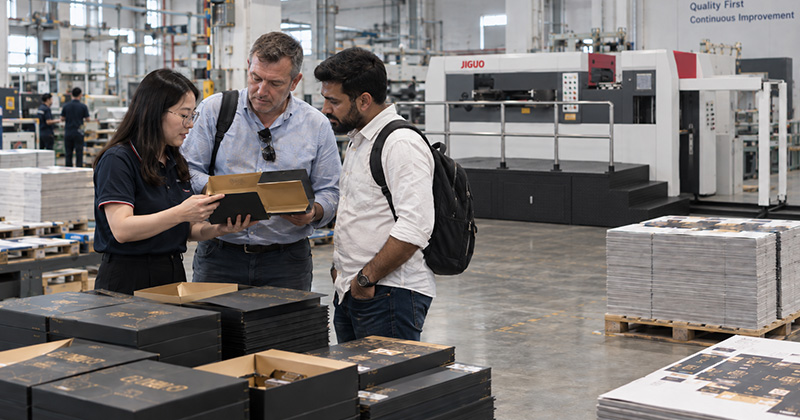
For overseas machinery buyers, the factory acceptance test is one of the last opportunities to find a problem before the machine leaves China.
Once the machine has been loaded into a container and shipped several thousand kilometres, even a small issue becomes more expensive to solve.
A factory acceptance test, usually referred to as FAT, does not have to be complicated. But it should be more than watching the machine run empty for a few minutes.
Start by checking what was actually ordered
Before running the machine, compare the finished equipment with the confirmed quotation or contract.
Check:
- machine model
- working size
- main electrical configuration
- optional units
- safety guards
- accessories
- spare parts included with the shipment
This sounds basic, but machinery projects often change during technical discussions. FAT is a good time to make sure the final machine matches the final agreement.
Run the machine long enough to see how it behaves
A short demonstration may show that the machine can move.
It does not necessarily show whether it can work continuously.
During a longer run, watch for:
- feeding stability
- unusual vibration
- abnormal noise
- repeated alarms
- sheet registration
- product collection
- motor or bearing temperature where relevant
The purpose is not to make the machine look perfect on video. It is to see whether it behaves consistently.
Actual material is better than generic test material
Whenever practical, test the machine with material close to the buyer’s real production.
For example, if a die cutter will mainly process 120 gsm thin paper, testing only heavy board tells you very little about the real job.
The same applies to foil stamping.
A customer working with 157 gsm coated paper may care about feeding, registration and foil transfer in a way that is very different from thick carton board.
For folder gluers or corrugated equipment, board flute, flatness and carton structure can strongly affect the result.
Look at the finished product, not only the machine
A machine can run smoothly and still produce an unacceptable product.
Depending on the equipment, inspect:
- die-cutting accuracy
- crease quality
- stripping result
- foil registration
- embossing depth
- folding accuracy
- glue position
- carton alignment
If the machine is supposed to solve a specific production problem, FAT should confirm that point.
Electrical and safety checks matter for export machines
Before shipment, confirm the destination electrical standard again.
Check:
- voltage
- frequency
- phase
- emergency stops
- safety switches
- sensors
- guarding
- alarms
It is much easier to correct an electrical configuration in the factory than after installation overseas.
Documentation is part of the machine
A buyer should also confirm what documents will be supplied.
Depending on the machine, this may include:
- operation manual
- electrical diagram
- parts list
- maintenance instructions
- consumables list
- recommended spare parts
If remote technical support will be needed later, good documentation becomes even more important.
Do not ignore export packing
The test is finished only when the machine is ready to leave the factory.
Before loading, check:
- machine fixing
- moisture protection
- loose accessories
- wooden packing if required
- container loading arrangement
- loading photos
Large printing and packaging machines can experience long sea transport, vibration and humidity. Packing should be considered part of the delivery process, not an afterthought.
A useful FAT creates a record
For overseas buyers who cannot visit the factory, a structured FAT can also be documented with photos and videos.
A practical record might include:
machine identification
production video
finished sample
electrical confirmation
accessories
packing
container loading
This gives both sides a clear reference before shipment.